Green energy
Six ways to generate. Usually more than one on the same land, because a parcel that earns from one thing is worth less than a parcel that earns from four.
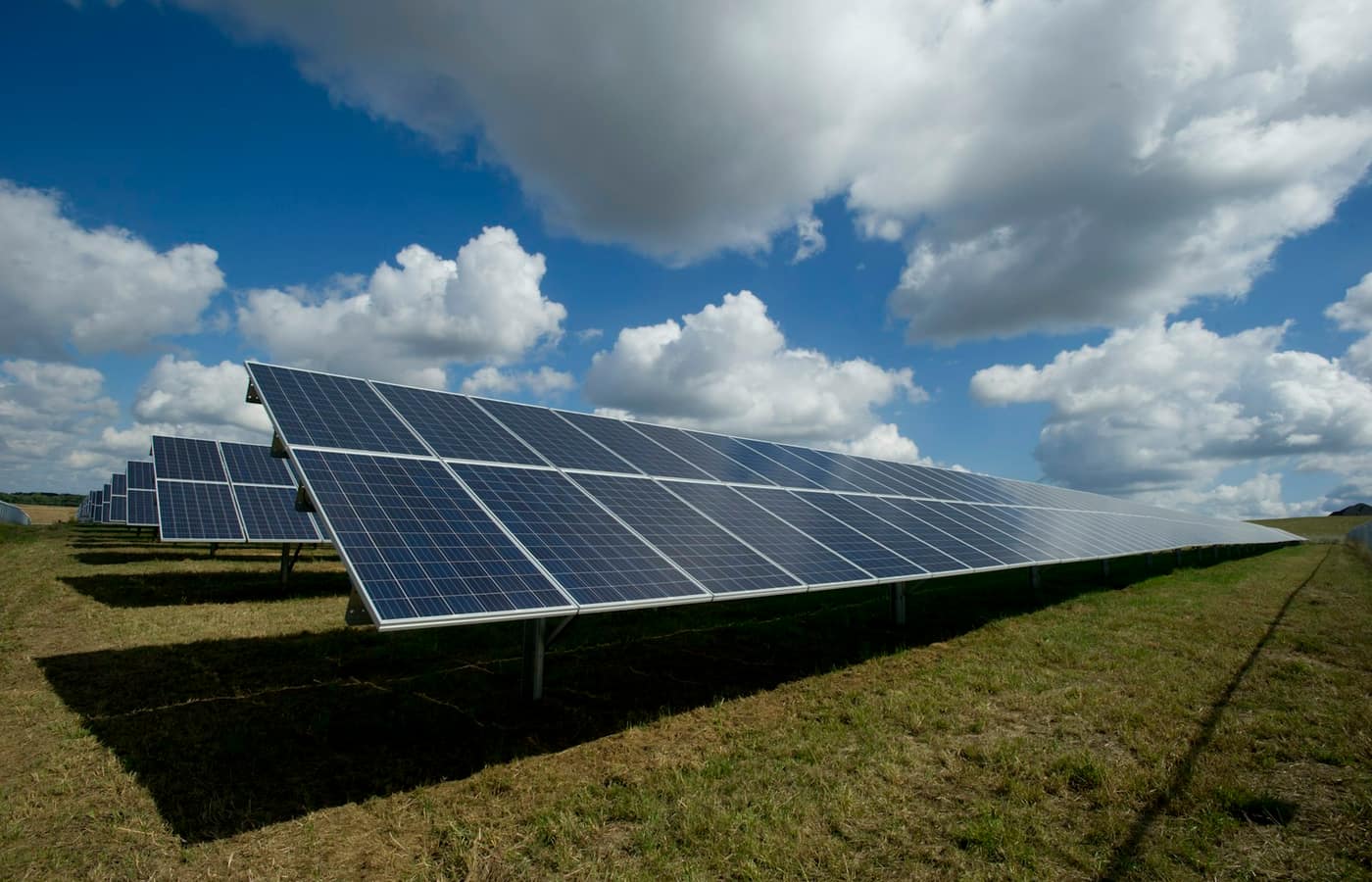
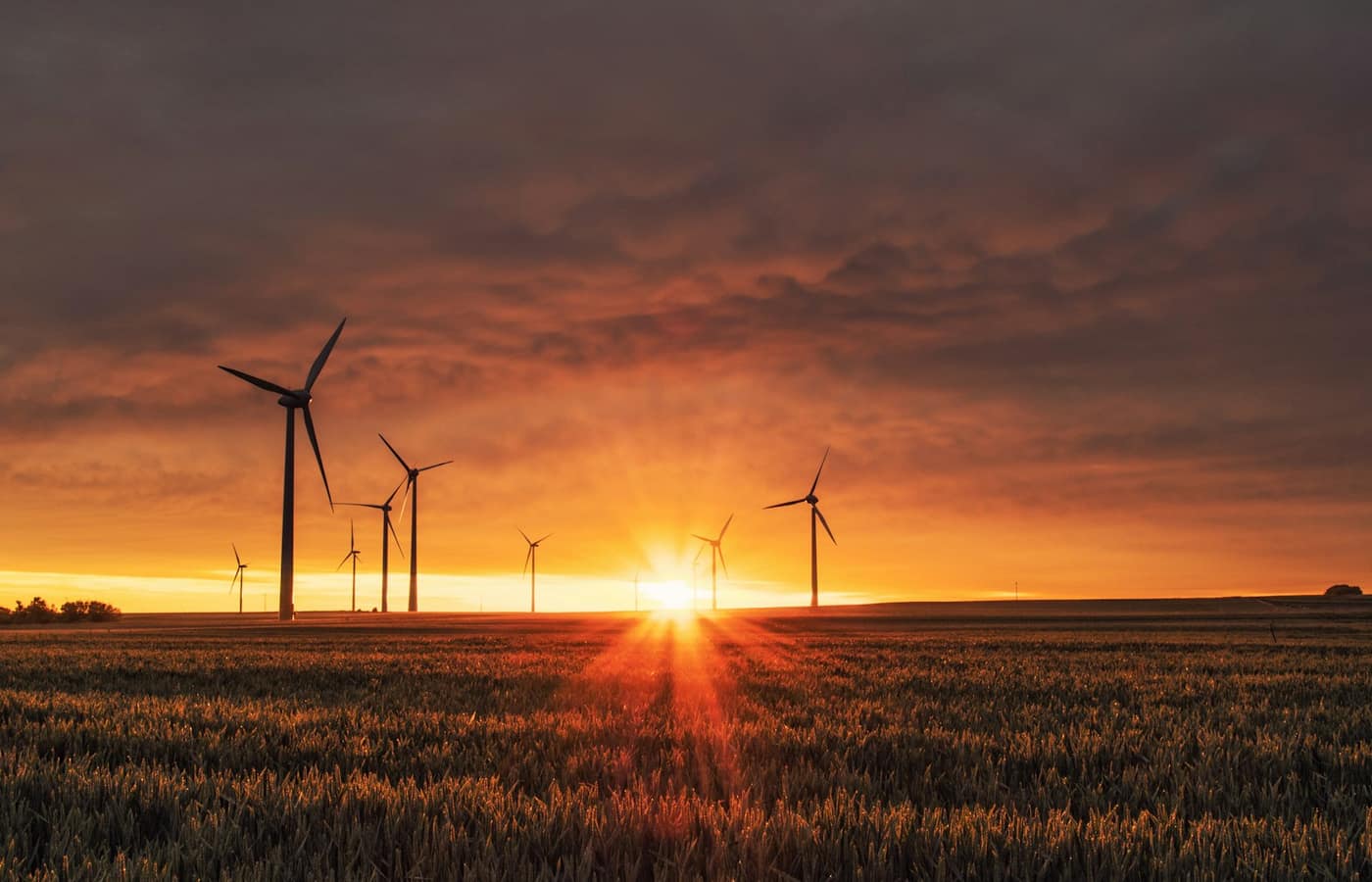
One parcel, four income lines
- Solar and wind cover different hours of the day
- Battery makes the combined output contractable
- A digester turns waste into gas and manure
- Surplus power makes hydrogen instead of being wasted
- Rain water goes back into the ground under the plant
One lease, one substation, one team. The expensive parts are paid for once.
One parcel of land, six things earning on it
Anyone can put panels on a field. What makes a site worth owning for twenty five years is how many revenue streams the same acre carries, and how steadily it can deliver power to the substation.
Pick one, or let the site decide
Each opens to full scope, outputs and what goes wrong.
Solar
Fastest to build. The base of most sites.
ScopeWind
Strong when solar is weak. Pairs with it.
ScopeBattery
Turns variable output into firm supply.
ScopeCompressed biogas
Dung and residue to fuel, plus manure.
ScopeGreen hydrogen
For industry that cannot electrify.
ScopeEthanol
A feedstock business first.
ScopeThe AI layer
Reads actual output against what the weather should have produced. Finds soiling, dead strings and tracker drift, none of which set off an alarm.
How it worksLand and legal
Site search, title, owner negotiation, conversion, registration, right of way. Usually the reason a project runs late.
Nine servicesBefore you commit capital
What is green hydrogen, and when is it actually the right answer?
A working explanation of green hydrogen, how it differs from grey and blue hydrogen, and the specific conditions that decide whether a project should be built.
ReadPolicyWhat is the biomass co-firing requirement for Indian thermal power plants?
What the 2025-26 Ministry of Power co-firing policy actually requires, why the widely repeated 7 per cent figure is wrong for most of India, and what it means for anyone supplying pellets.
ReadPolicyHow does India's Carbon Credit Trading Scheme work?
How the CCTS baseline and credit mechanism works, why an intensity target is different from an emissions cap, and what it means for anyone producing carbon credits in India.
ReadGreen energy
- What is a hybrid renewable energy site?
- A hybrid site puts more than one generation source on the same land, usually solar and wind with battery storage. Solar and wind produce at different times, so combining them raises the hours the site is generating and makes the output steady enough to sell under a firm contract.
- What kinds of green energy does BAASLAB build?
- Solar, wind, tidal and marine, ethanol, compressed biogas under the GOBARdhan approach, and green hydrogen. Most sites carry more than one of these on the same parcel.
- Does BAASLAB only design, or also build and operate?
- Both. Land, design, supply, construction, substation and grid connection, then operations and maintenance for the life of the plant. Any single piece can also be taken on its own.
Have a site in mind?
Tell us where it is and what you want from it. If it will not work, we will say so on the first call.